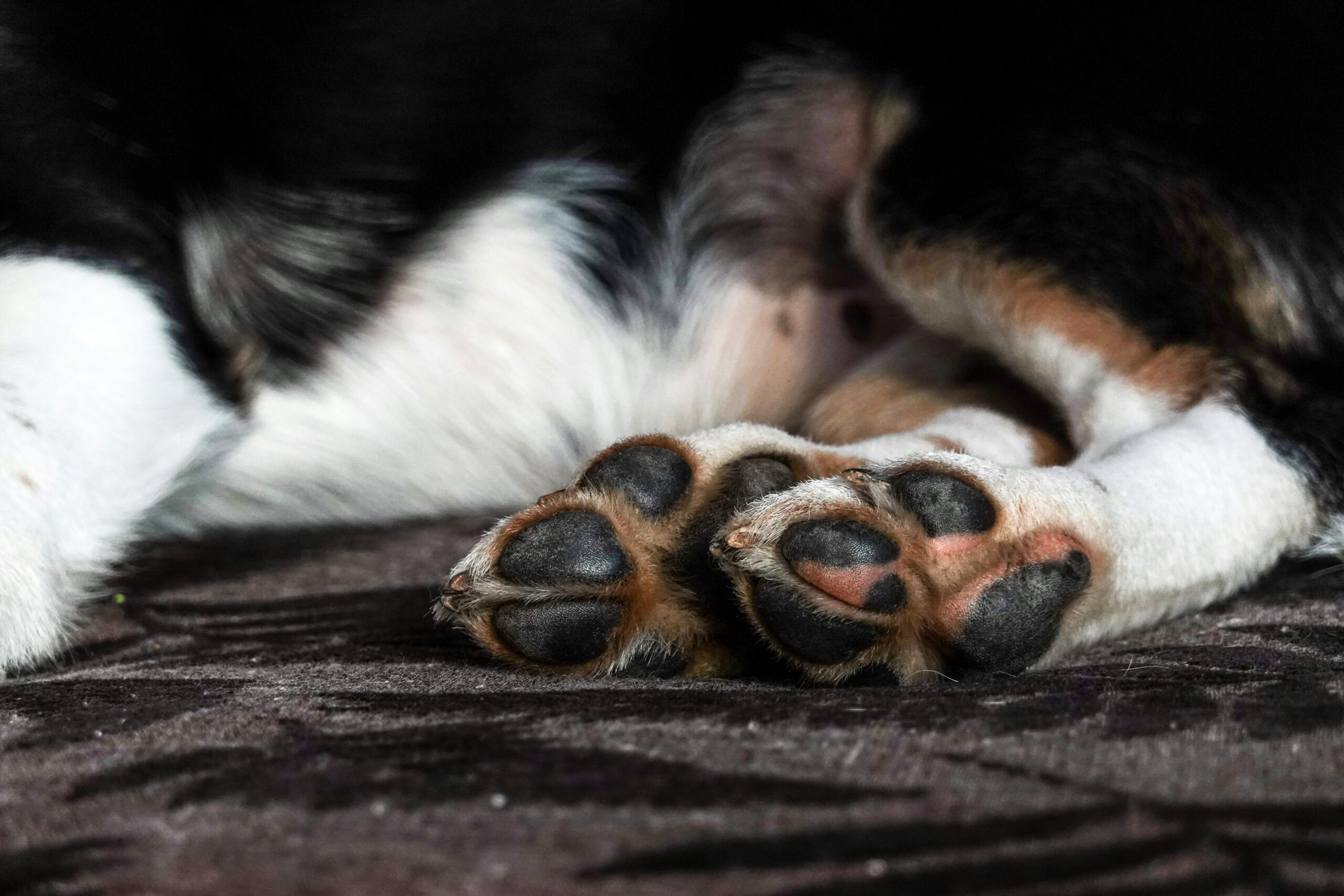
Dog Paw Cracks: How to Treat, Fix & Heal Cracked Dog Paws at Home
If your dog’s paw pads look dry, rough, or cracked – or your dog keeps licking their paws – it’s a sign the paw pads are struggling to protect themselves.
Cracked dog paws are common, but they should never be ignored.
Pet parents often search for:
- How to treat cracked dog paws
- How to fix dry cracked dog paws
- What can I put on my dog’s cracked paws
This guide explains why dog paws crack, how to treat them safely at home, what to avoid, and when to see a vet.
1. Dry weather & temperature extremes
Hot roads in summer, cold floors in winter, and low humidity can dry out paw pads and cause cracking.
2. Walking on rough or hot surfaces
Concrete, tiles, asphalt, and uneven terrain slowly wear down paw pads, especially with daily walks.
3. Frequent exposure to water (monsoon)
Wet paws soften first and then dry aggressively, which weakens the skin barrier and leads to cracks.
4. Excessive licking & chewing
Dogs lick irritated paws for relief, but saliva dries the skin further and worsens cracking.
5. Lack of regular paw care
Most dogs do not receive routine paw care unless a problem becomes visible.
Signs Your Dog’s Paws Are Cracked
Early signs
- Dry or rough paw pads
- Slight discoloration
- Occasional paw licking
Moderate cracks
- Visible lines or splits on paw pads
- Discomfort on rough surfaces
- Reluctance to walk long distances
Severe cracks
- Deep cracks with bleeding
- Redness or swelling
- Foul smell or discharge
If you are thinking, “my dog has cracked paws”, early action makes a big difference.
How to Treat Cracked Dog Paws at Home
For mild to moderate cracked paws, consistent home care usually helps.
Step 1: Clean the paws gently
Rinse your dog’s paws with plain water after walks to remove dirt, salt, or chemicals.
Dry thoroughly, especially between the toes.
Step 2: Reduce surface stress
- Avoid hot roads and rough terrain
- Walk early morning or late evening
- Choose shaded or softer walking paths
Step 3: Trim excess hair around paw pads
Excess fur traps moisture and dirt, which can slow healing.
Step 4: Moisturize the paw pads
Dry paws need moisture to heal properly.
Many pet parents ask:
“What can I put on my dog’s cracked paws?”
Use only dog-safe paw care products designed specifically for paw pads.
Avoid products not meant for dogs, as paws are frequently licked.
Step 5: Limit excessive licking
If licking is constant, gentle supervision or distraction can prevent further damage while paws heal.
Cracked Dog Paws: Home Remedies & Safety
Some home remedies are commonly suggested, but caution is important.
Avoid using:
- Human lotions or creams
- Frequent use of petroleum jelly
- Strong essential oils
- Products with artificial fragrance
Dogs lick their paws. Anything applied should be safe if ingested in small amounts.
What NOT to Do
- Do not use human antiseptic creams
- Do not over-wash paws daily
- Do not ignore small cracks
- Do not keep paws constantly covered without airflow
These mistakes often delay healing or worsen the problem.
How Long Do Cracked Dog Paws Take to Heal?
- Mild dryness: 3–5 days
- Moderate cracks: 7–10 days
- Deep cracks: 2 weeks or longer (often with vet guidance)
Consistency matters more than quick fixes.
When Should You See a Vet?
Consult a vet if:
- Cracks are deep or bleeding
- There is swelling, pus, or foul smell
- Your dog is limping or in pain
- Cracks do not improve within 5–7 days
How to Prevent Cracked Paws in Dogs
- Check paws weekly
- Follow seasonal paw care routines
- Avoid extreme surfaces
- Moisturize paw pads regularly
- Keep paws clean and dry