
Plaque on Dog Teeth: What It Is, Why It Forms & What Helps
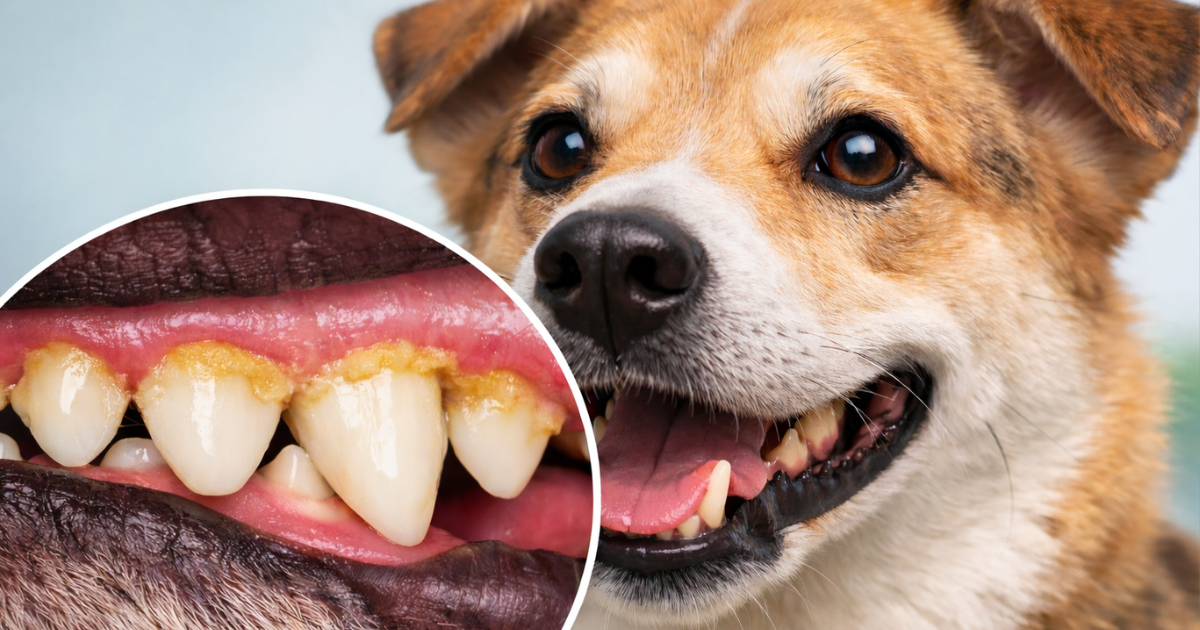
If you notice a thin white or yellow layer on your dog’s teeth, especially near the gums, it is likely dental plaque.
Plaque on dog teeth is extremely common and often the first stage of dental problems.
Understanding plaque early helps prevent bad breath, tartar buildup, and painful gum disease later.
What Is Plaque on Dog Teeth?
Plaque is a soft, sticky film made up of bacteria, saliva, and food particles.
It forms naturally on dog teeth every day, especially along the gum line.
When plaque is not managed, bacteria multiply and release toxins that irritate the gums and cause bad breath.
What Does Plaque Look Like on Dog Teeth?
Plaque is usually:
- White, off-white, or pale yellow
- Soft or slightly sticky
- Most visible near the gum line
Unlike tartar, plaque is not hard. However, it can harden quickly if left alone.
Why Does Plaque Build Up on Dog Teeth?
1. Lack of regular dental care
Without routine oral cleaning, plaque forms and accumulates daily.
2. Food residue and chewing habits
Soft food, sticky treats, and incomplete chewing allow food particles to remain on teeth.
3. Age and breed factors
Smaller breeds and older dogs often develop plaque faster due to tooth spacing and saliva composition.
4. Existing dental issues
Inflamed gums or previous tartar buildup make plaque accumulate more easily.
Why Plaque Should Not Be Ignored
Plaque itself may not look serious, but it can quickly lead to:
- Persistent bad breath
- Tartar formation
- Gum inflammation
- Pain and infection
This is why plaque is considered the starting point of most dog dental problems.
What Helps Reduce Plaque on Dog Teeth?
In early stages, plaque can often be managed with consistent home care.
- Following a regular dental care routine
- Checking teeth and gums weekly
- Maintaining overall oral hygiene
- Addressing bad breath early
Learn more about routine care here:
Dog dental care routine at home
What NOT to Do for Plaque on Dog Teeth
- Do not scrape teeth with sharp tools at home
- Do not use human toothpaste or mouthwash
- Do not ignore plaque thinking it is harmless
Improper removal attempts can damage gums and worsen dental problems.
When Does Plaque Turn Into Tartar?
If plaque is not removed, it absorbs minerals from saliva and hardens into tartar.
Once hardened, tartar cannot be removed through home care alone.
Read more here: Tartar on dog teeth explained
When Should You See a Vet?
A vet visit is recommended if:
- Plaque is thick or widespread
- Gums appear red, swollen, or bleed easily
- Your dog shows pain while chewing
- Bad breath persists despite routine care
More guidance: When dog dental issues need a vet
Related Reading
Frequently Asked Questions
Is plaque on dog teeth normal?
Yes, plaque forms naturally every day. It becomes a problem when it is not managed through regular dental care.
Can plaque be removed at home?
Early plaque can often be reduced with consistent home dental care, but hardened tartar cannot.
How fast does plaque turn into tartar?
Plaque can harden into tartar within days to weeks, depending on saliva, diet, and oral hygiene.
Does plaque cause bad breath in dogs?
Yes, plaque bacteria release odours that commonly cause bad breath.
Do all dogs get plaque?
Most dogs develop plaque at some point, especially without regular oral care.
Key Takeaway
Plaque on dog teeth is common, but it should not be ignored.
Early attention and consistent dental care help prevent tartar, gum disease, and long-term discomfort.