Dog Bad Breath: Causes, What Helps & When It’s a Health Issue
If your dog’s breath smells unpleasant or unusually strong, it’s often a sign that something is happening inside the mouth.
Occasional mild odour can be normal, but persistent bad breath in dogs is not.
Many pet parents ask:
- Why does my dog’s breath smell bad?
- Is dog bad breath normal?
- How can I improve my dog’s breath safely?
This guide explains the most common causes of dog bad breath, what usually helps at home, what to avoid, and when it’s time to see a vet.
What Causes Bad Breath in Dogs?
Bad breath in dogs usually develops gradually. The most common causes include:
1. Plaque buildup on teeth
Plaque is a soft film of bacteria that forms daily on dog teeth.
As bacteria multiply, they release odours that cause bad breath.
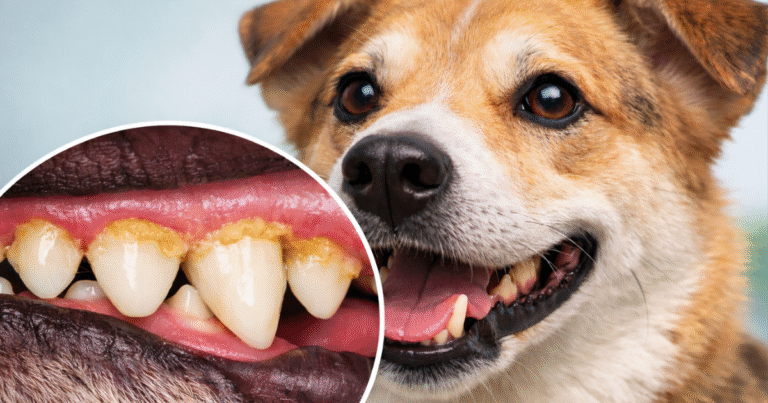
2. Tartar formation
When plaque hardens into tartar, it traps more bacteria and becomes harder to remove.
Tartar is a common cause of persistent, strong-smelling breath.
3. Gum irritation or gum disease
Red, inflamed, or bleeding gums allow bacteria to thrive, often leading to foul breath and discomfort.
4. Food residue & chewing habits
Food particles stuck between teeth or poor chewing habits can contribute to smell, especially without regular oral care.
5. Underlying health issues
In some cases, bad breath may be linked to infections, dental pain, or internal health conditions that require veterinary attention.
Is Dog Bad Breath Normal?
Mild breath odour after meals or treats can be normal.
However, breath that smells consistently bad, rotten, or unusually strong is usually a sign of a dental issue.
If you notice bad breath along with behaviour changes, appetite loss, or visible dental buildup, it should not be ignored.
Signs That Bad Breath May Be a Dental Problem
- Yellow or brown buildup on teeth
- Red or swollen gums
- Pawing at the mouth
- Difficulty chewing
- Avoiding hard food or treats
Bad breath is often the first visible sign of developing dental problems.
What Helps Improve Dog Bad Breath at Home
For early or mild dental issues, consistent home care usually helps reduce odour and slow progression.
- Maintaining a regular dental care routine
- Keeping teeth and gums clean
- Checking the mouth weekly for buildup or redness
- Avoiding sudden changes in diet or oral products
Learn more about routine care here: Dog dental care routine at home
What NOT to Do for Dog Bad Breath
- Do not use human toothpaste or mouthwash
- Do not ignore long-term bad breath
- Do not scrape tartar aggressively at home
- Do not rely only on treats to fix dental odour
These actions can worsen dental problems or cause discomfort.
When Does Dog Bad Breath Need a Vet?
Consult a veterinarian if:
- Bad breath persists despite home care
- There is visible tartar or gum bleeding
- Your dog shows signs of pain while eating
- The smell is unusually strong or sudden
More guidance is explained here: When dog dental issues need a vet
Related Reading
Frequently Asked Questions
Why does my dog’s breath smell so bad?
In most cases, bad breath is caused by plaque, tartar, or gum irritation that allows bacteria to grow inside the mouth.
Can dog bad breath go away on its own?
Mild odour may reduce temporarily, but persistent bad breath usually requires dental care to address the underlying cause.
Is bad breath in dogs always a dental problem?
Most of the time, yes. However, in some cases, infections or internal health issues may also contribute.
How often should I check my dog’s mouth?
A quick visual check once a week helps catch dental issues early before they worsen.
Can home care completely remove tartar?
Home care helps prevent buildup but cannot remove hardened tartar. Professional veterinary care is needed for that.
Key Takeaway
Dog bad breath is a signal, not just an inconvenience.
Early attention, consistent dental care, and timely vet support help keep your dog comfortable and healthy.