Dog Gum Disease: Signs, Stages, Treatment & When to See a Vet
Gum disease is one of the most common yet overlooked health problems in dogs.
It develops slowly, often starting without obvious pain, but can lead to serious discomfort, tooth loss, and infection if ignored.
Understanding gum disease early helps pet parents protect their dog’s comfort, appetite, and overall health.
What Is Gum Disease in Dogs?
Dog gum disease, also known as periodontal disease, is an inflammatory condition affecting the gums and supporting structures of the teeth.
It usually begins when bacteria in dental plaque irritate the gums.
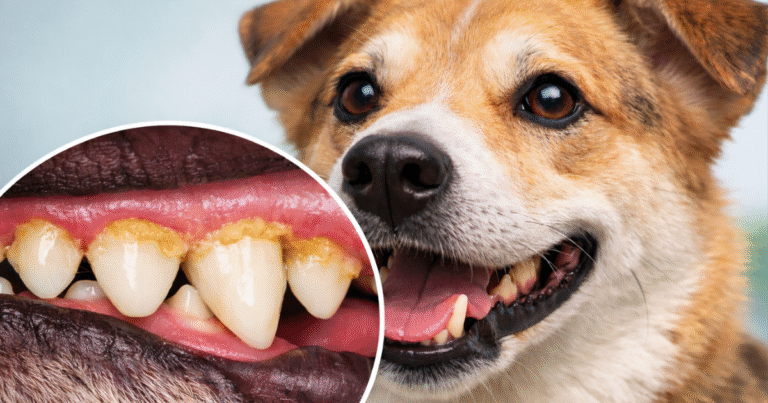
Over time, untreated plaque and tartar allow bacteria to spread below the gum line, leading to infection, pain, and damage to the teeth and jaw.
What Causes Gum Disease in Dogs?
1. Plaque and tartar buildup
Bacteria-filled plaque irritates the gums. When plaque hardens into tartar, it traps more bacteria and worsens inflammation.
2. Lack of regular dental care
Dogs without consistent oral hygiene are far more likely to develop gum disease.
3. Age and breed factors
Older dogs and small breeds tend to develop gum disease faster due to crowded teeth and saliva composition.
4. Existing dental problems
Bad breath, tartar, and untreated plaque increase the risk of gum infection.
Stages of Gum Disease in Dogs
Stage 1: Gingivitis (Early Stage)
At this stage, gums appear red or slightly swollen but there is no permanent damage.
Gingivitis is often reversible with proper care.
Stage 2: Early Periodontal Disease
Bacteria begin affecting deeper gum tissues.
Mild bone loss may occur, and bad breath becomes more noticeable.
Stage 3: Moderate Periodontal Disease
Gums recede, teeth loosen, and infection spreads.
Pain while chewing is common.
Stage 4: Advanced Periodontal Disease
Severe infection, tooth loss, and significant pain occur.
Veterinary intervention becomes essential.
Signs of Gum Disease in Dogs
Common signs include:
- Red, swollen, or bleeding gums
- Persistent bad breath
- Yellow or brown buildup on teeth
- Pain while eating or chewing
- Loose or missing teeth
- Pawing at the mouth
Gum disease is often painless in early stages, which is why regular checks matter.
How Gum Disease Affects a Dog’s Health
Gum disease is not limited to the mouth.
Chronic oral infections can affect appetite, behaviour, and overall well-being.
In advanced cases, bacteria from infected gums may enter the bloodstream, potentially affecting other organs.
What Helps With Early Gum Disease at Home?
Early-stage gum inflammation may improve with consistent dental care, including:
- Following a regular dental care routine
- Reducing plaque buildup
- Monitoring gums weekly
- Addressing bad breath early
Learn more about routine care here:
Dog dental care routine at home
Home care supports gum health but has clear limits.
What NOT to Do for Gum Disease
- Do not ignore bleeding or swollen gums
- Do not scrape teeth aggressively at home
- Do not use human dental products
- Do not delay vet visits when pain is visible
Delaying treatment often allows gum disease to progress.
When Does Dog Gum Disease Need a Vet?
Veterinary care is required if:
- Gums bleed easily or appear infected
- Your dog avoids food due to pain
- Teeth are loose or falling out
- Bad breath is strong and persistent
More guidance:
When dog dental issues need a vet
How to Prevent Gum Disease in Dogs
Prevention focuses on consistency rather than perfection.
- Maintain regular dental care routines
- Check gums and teeth weekly
- Address plaque before it hardens into tartar
- Schedule vet dental checks when advised
Related Reading
Frequently Asked Questions
Is gum disease common in dogs?
Yes. Gum disease is one of the most common health conditions in dogs, especially adults and seniors.
Can gum disease in dogs be reversed?
Early-stage gum disease (gingivitis) may be reversible with proper care, but advanced stages require veterinary treatment.
Does gum disease cause pain in dogs?
Pain may not be obvious early, but advanced gum disease is often painful and affects eating.
Can gum disease affect my dog’s overall health?
Yes. Chronic oral infections may impact appetite, behaviour, and general health.
How can I check my dog’s gums at home?
Lift the lips gently and look for redness, swelling, bleeding, or odour once a week.
Key Takeaway
Dog gum disease develops slowly but can cause serious problems if ignored.
Early awareness, consistent dental care, and timely veterinary support are key to protecting your dog’s comfort and health.