Dog Life Span in India: A Complete Breed-Wise Guide
When you bring a dog home, you’re not just getting a pet — you’re welcoming a family member. One of the most common questions Indian pet parents ask is: “How long will my dog live?”
The answer depends on several factors — breed, genetics, diet, healthcare, exercise, and living environment. In India, where conditions range from bustling metros to rural areas, a dog’s average lifespan varies between 10–15 years.
Here’s a detailed breakdown of popular dog breeds in India and their average lifespans.
Popular Dog Breeds and Their Life Span in India
1. Labrador Retriever
Labradors are among the most loved family dogs in India. Known for their friendly temperament, they usually live 10–12 years. Common health issues include obesity, hip dysplasia, and arthritis, so a healthy diet and regular exercise are key.
2. German Shepherd
Strong, loyal, and intelligent, German Shepherds live 9–12 years in India. They’re prone to joint problems, so supplements and care for mobility are important, especially in urban homes where space to run may be limited.
3. Golden Retriever
Gentle and affectionate, Golden Retrievers generally live 10–12 years. They can suffer from heart and joint problems, so a balanced diet with omega-rich foods helps increase longevity.
4. Beagle
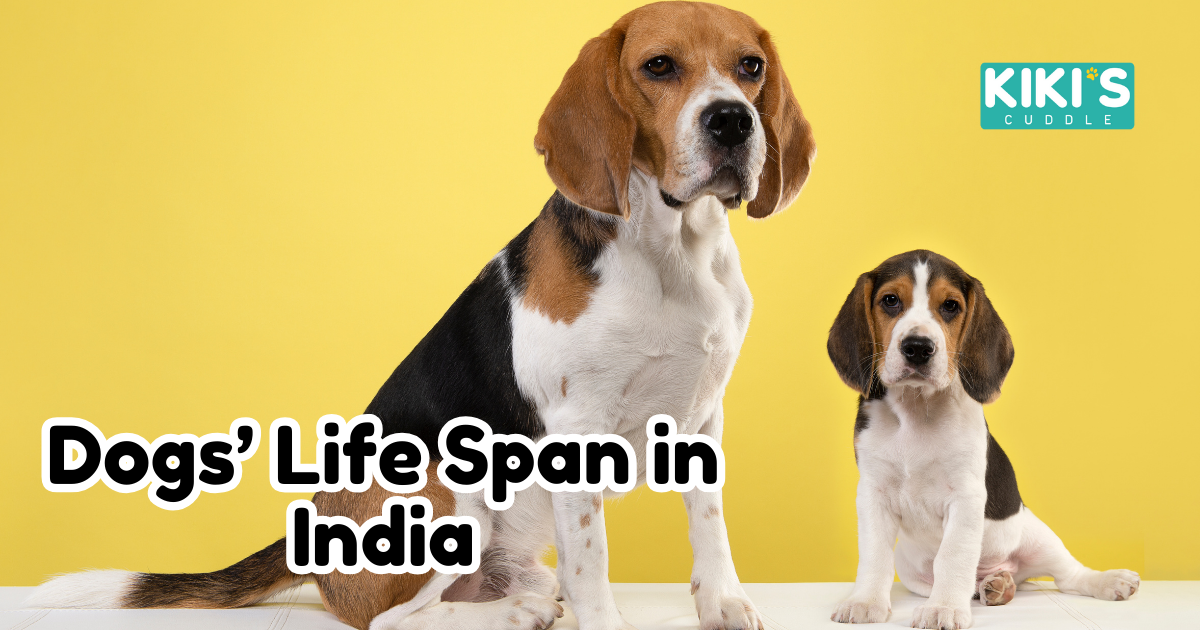
This small, active breed enjoys a longer lifespan — 12–15 years. Beagles are generally healthy but can face obesity if not exercised enough. Their curious nature means they need plenty of mental and physical stimulation.
5. Pug
A favorite in Indian cities due to their small size, Pugs live 12–15 years. However, they are brachycephalic (short-nosed), which makes them prone to breathing issues in hot Indian summers. Careful management of heat exposure is vital.
6. Indian Pariah Dog (Indie)
Perhaps the hardiest of all, the Indian Pariah lives 13–16 years. Being a native breed, they are naturally resistant to many diseases and adapt perfectly to the Indian climate, often outliving many foreign breeds.
7. Rottweiler
Rottweilers, known for their strength and protective nature, typically live 8–10 years. They are prone to joint issues and need a disciplined diet and exercise routines to stay healthy.
8. Dachshund
These adorable “sausage dogs” live 12–16 years. However, they can face spine issues due to their long backs, so jumping from heights and excessive weight gain should be avoided.
9. Shih Tzu
Small and cute, Shih Tzus live 12–16 years when cared for well. Their long coats require regular grooming in Indian conditions, and they may face breathing difficulties due to their short snout.
10. Doberman Pinscher
Dobermans are alert and intelligent dogs with a lifespan of 10–13 years. They are fairly healthy but may be prone to heart conditions, so regular vet check-ups are recommended.
Dog Life Span in India: Breed-Wise Comparison Table
| Breed | Average Life Span (Years) | Common Health Issues | Care Tips |
|---|---|---|---|
| Labrador Retriever | 10–12 | Obesity, hip dysplasia, eye issues | Regular walks, weight control, joint supplements. |
| German Shepherd (Diet Plan) |
9–13 | Hip dysplasia, arthritis, bloat | Joint care, protein-rich diet, avoid overfeeding. |
| Golden Retriever | 10–12 | Cancer, hip dysplasia, skin issues | Vet checkups, omega-3, regular grooming. |
| Beagle | 12–15 | Ear infections, epilepsy, obesity | Ear cleaning, exercise, portion control. |
| Pug | 12–15 | Breathing problems, skin folds, obesity | Keep cool in summer, clean folds, no overexertion. |
| Rottweiler | 8–10 | Hip dysplasia, cancer, obesity | Strong exercise, vet screening, diet control. |
| Dachshund | 12–16 | Spinal problems (IVDD), dental issues | Avoid jumping, dental hygiene, moderate activity. |
| Boxer | 9–12 | Heart disease, cancer, hip issues | Heart checkups, balanced meals, no overexertion. |
| Shih Tzu | 10–16 | Eye problems, breathing issues, dental disease | Grooming, dental care, eye cleaning. |
| Indian Pariah Dog | 13–16 | Generally very healthy | Vaccinations, balanced diet, daily exercise. |
| Great Dane | 7–10 | Bloat, heart issues, arthritis | Feed in smaller meals, joint care, avoid overexertion. |
| Doberman Pinscher | 10–13 | Heart disease, Wobbler syndrome, bloat | Heart checkups, strong diet, moderate activity. |
| Pomeranian | 12–16 | Dental issues, luxating patella, trachea collapse | Dental hygiene, avoid rough play, regular grooming. |
| Siberian Husky | 12–15 | Hip dysplasia, skin allergies, eye conditions | Needs cooler environment, omega-3, long walks. |
| Saint Bernard | 8–10 | Joint issues, obesity, heart disease | Joint care, portion control, cool climate. |
| Dalmatian | 11–13 | Deafness, bladder stones | Hydration, ear checkups, balanced diet. |
| Bullmastiff | 8–10 | Cancer, joint problems, obesity | Regular vet visits, joint supplements, portion control. |
| Cocker Spaniel | 12–15 | Ear infections, obesity, eye problems | Grooming, ear cleaning, active lifestyle. |
| Chihuahua | 14–17 | Dental issues, hypoglycemia, trachea problems | Dental hygiene, warm bedding, small meals. |
| Belgian Malinois | 12–14 | Hip dysplasia, elbow issues | Mental stimulation, agility training, joint care. |
| Akita | 10–12 | Hip dysplasia, hypothyroidism | Regular exercise, thyroid checkups, balanced diet. |
| Bull Terrier | 11–14 | Deafness, allergies, kidney issues | Early screening, allergy-friendly diet, exercise. |
| Lhasa Apso | 12–15 | Eye problems, kidney issues, allergies | Grooming, vet checkups, high-quality diet. |
| Border Collie | 12–15 | Hip dysplasia, epilepsy | Daily exercise, mental stimulation, joint support. |
| Irish Setter | 12–14 | Bloat, epilepsy, hip dysplasia | Smaller meals, active lifestyle, vet checkups. |
| Weimaraner | 10–12 | Bloat, hip issues, separation anxiety | Active exercise, smaller meals, socialization. |
| Basset Hound | 11–13 | Ear infections, obesity, back issues | Ear care, portion control, avoid high jumps. |
| Mastiff (English) | 8–10 | Heart disease, joint problems, obesity | Joint care, limited overexertion, controlled diet. |
| Alaskan Malamute | 10–12 | Hip dysplasia, eye problems | Needs cool climate, strong exercise, omega-3 for coat. |
| Indian Spitz | 12–15 | Skin issues, dental problems | Grooming, dental cleaning, regular exercise. |
| Rajapalayam (Indian) | 10–12 | Deafness, skin allergies | Sun protection, skin care, balanced diet. |
| Mudhol Hound (Indian) | 12–14 | Generally very healthy | Active exercise, high-protein diet, vaccinations. |
| Caravan Hound (Indian) | 12–14 | Lean body issues, parasites | Rich diet, parasite control, regular exercise. |
| Kanni (Indian) | 12–15 | Generally healthy | Daily exercise, vaccinations, balanced diet. |
| Kombai (Indian) | 12–15 | Very healthy breed | Regular exercise, high-protein diet, deworming. |
| Bhutia/Indian Mastiff | 10–12 | Joint problems, bloat | Joint care, space to run, portion control. |
| Tibetan Mastiff | 10–12 | Hip dysplasia, thyroid issues | Needs cold weather, thyroid checkups, joint supplements. |
| Yorkshire Terrier | 12–16 | Dental disease, hypoglycemia | Dental hygiene, small meals, grooming. |
| French Bulldog | 10–12 | Breathing issues, skin problems, obesity | Keep cool, avoid strenuous exercise, portion control. |
| English Bulldog | 8–10 | Breathing issues, joint problems, obesity | Cool environment, moderate walks, joint care. |
| Pitbull Terrier | 12–14 | Skin allergies, hip dysplasia | Active lifestyle, protein-rich food, skin care. |
| Whippet | 12–15 | Heart issues, eye problems | Active runs, heart checkups, proper diet. |
| Greyhound | 10–14 | Bloat, arthritis | Small meals, soft bedding, joint support. |
| Afghan Hound | 12–14 | Hip dysplasia, cataracts | Grooming, eye checkups, joint care. |
| Pekingese | 12–15 | Breathing problems, dental issues | Grooming, dental cleaning, cool environment. |
| Maltese | 12–15 | Dental issues, luxating patella | Grooming, dental hygiene, joint care. |
| Samoyed | 12–14 | Hip dysplasia, eye issues, skin allergies | Cold climate, omega-3 for coat, joint care. |
| Pointer | 12–14 | Hip dysplasia, epilepsy | Daily exercise, vet checkups, strong diet. |
| Vizsla | 12–14 | Epilepsy, hip dysplasia | Mental stimulation, active exercise, balanced diet. |
How to Increase Your Dog’s Life Span in India
No matter the breed, here are some universal tips to help your dog live longer and healthier:
-
Balanced Diet – Prefer natural, nutrient-rich food.
-
Exercise – Regular walks and playtime.
-
Grooming & Skin Care – Herbal shampoos, paw balms, and tick prevention.
-
Regular Vet Visits – Catch health issues early.
-
Love & Mental Well-being – A happy, stress-free pet lives longer.